
Posted by Indi IT SEO
on February 24, 2025
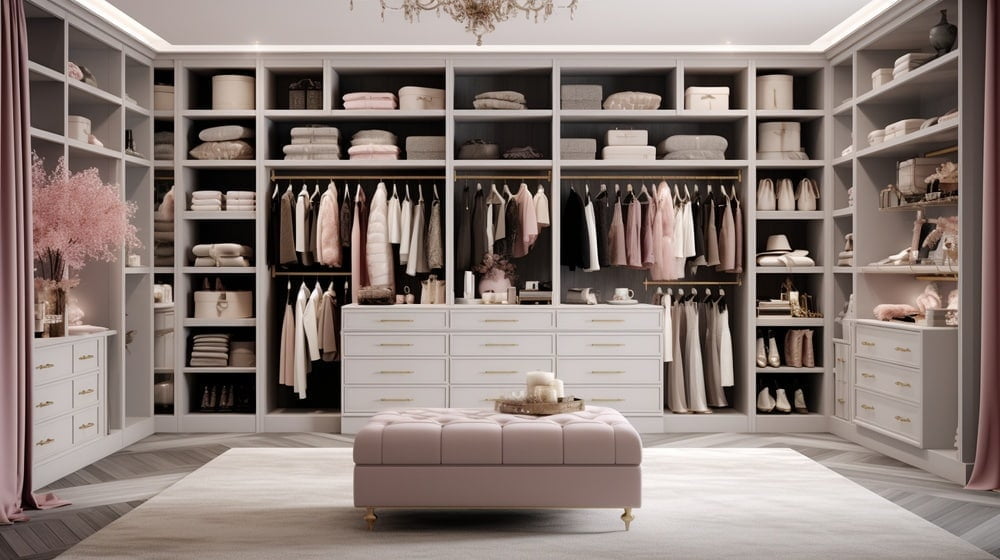
A wardrobe closet is the single most important piece of storage furniture in the home. It turns a cluttered bedroom into an ordered one, protects your clothes, and — chosen well — becomes a statement piece in its own right. This guide explains why a proper wardrobe matters, which style suits your space, and what separates a luxury wardrobe from a flat-pack one.
Why Every Organised Home Starts with the Wardrobe
Clutter in a bedroom almost always traces back to one cause: clothing without a home. Chairs that have become clothes racks, drawers that no longer close, shoes gathering by the door — all of it disappears when a single, well-designed wardrobe gives everything its place.
A wardrobe does three jobs at once. It stores hanging garments without creasing them, it keeps folded items visible and reachable, and it closes the door on all of it — so the room itself stays calm. That last point matters more than most people expect: a bedroom with visible clutter is measurably harder to relax in, and the bedroom is the one room where relaxation is the entire purpose.
There is also a practical protection argument. Clothes stored in the open collect dust and fade in sunlight. Behind a wardrobe door, in a dry, dark space, natural fibres like wool, silk, and cotton keep their colour and shape for years longer.
Hinged, Sliding, or Freestanding: Choosing the Right Style
The right wardrobe style depends on your space and how permanent you want the piece to be.
Hinged-door wardrobes are the classic choice and the strongest category for luxury designs. Full-opening doors give complete access to rails and shelves, and the doors themselves carry the design — panelled, mirrored, or hand-painted. They need clearance in front, so allow room for the doors to swing.
Sliding-door wardrobes suit smaller bedrooms and awkward layouts because they need no opening clearance. Modern sliding systems run quietly and can carry full-height mirrors, visually doubling a small room.
Freestanding wardrobes are the most flexible of all. Unlike fitted joinery, a freestanding piece moves house with you, costs a fraction of a built-in installation, and — in solid wood or a painted finish — delivers genuine presence in the room. Every wardrobe in our luxury wardrobe collection is freestanding for exactly this reason.
Getting the Size Right for a UK Bedroom
Size mistakes are the most common wardrobe regret, and they are entirely avoidable with a tape measure.
Start with depth: a standard hanging rail needs 50 to 60 centimetres of internal depth so shoulders do not press against the doors. For width, a two-door wardrobe of 100 to 120 centimetres serves one person comfortably; couples sharing should plan for 150 to 200 centimetres or a three-door design. Check your ceiling height — most wardrobes stand between 180 and 220 centimetres — and remember skirting boards, coving, and light fittings when measuring the wall.
Finally, plan the route in: measure doorways, stairs, and landings before ordering. Larger wardrobes often arrive flat-packed or in two sections for this reason, and it is worth confirming which before you buy.
What Makes a Wardrobe "Luxury": Materials and Construction
The difference between a wardrobe that sags in five years and one that serves for decades is almost entirely in the construction.
The carcass is the tell. Solid wood — oak, pine, mango, or acacia — or thick, properly veneered panels hold their shape under the constant weight of a full rail. Thin board carcasses bow over time, which is why budget wardrobe doors so often stop closing squarely.
Then look at the working parts. Metal, adjustable hinges keep doors aligned for life. A solid hanging rail, fixed into the carcass rather than plastic end-caps, takes a full winter coat collection without bowing. Drawers should run on proper runners, not bare wood on wood. Soft-close doors, dovetailed drawer boxes, and lacquered or hand-painted finishes are the finishing marks of a genuinely luxury piece.
A quality wardrobe anchors the whole bedroom scheme. Pair it with a matching bedside table and a well-chosen bed — our guide to designer bed frames covers that decision in the same depth — and the room comes together as a considered whole rather than a collection of pieces.
Organising the Inside: A System That Lasts
The wardrobe creates the space; a simple system keeps it working.
Hang what creases — shirts, dresses, tailoring, coats. Fold what stretches — knitwear, t-shirts, jeans. Keep current-season, everyday pieces at eye level where you reach without thinking. Move seasonal items to the top shelf in labelled boxes, and give the base to shoes or a drawer of heavier storage.
Two habits make the difference long term. First, matching slim hangers: they save several centimetres of rail space per garment and make the interior instantly look ordered. Second, a twice-yearly edit — spring and autumn — when the seasonal swap naturally prompts a clear-out. Ten minutes each time keeps the system from silently collapsing into clutter again.
Frequently Asked Questions
The questions customers ask us most when choosing a wardrobe.
Why is a wardrobe closet essential for an organised home?
A wardrobe closet gives every item of clothing a dedicated place, which is the foundation of an organised bedroom. With hanging space, shelves, and drawers in one piece, it removes the need for clothes rails, floor piles, and overflowing chairs. A well-organised wardrobe also protects clothing from dust, sunlight, and creasing, so your garments last longer and look better.
What size wardrobe do I need for a UK bedroom?
Measure your wall space first, then allow roughly 50 to 60 centimetres of depth for hanging clothes on a standard rail. A two-door wardrobe around 100 to 120 centimetres wide suits one person; couples sharing should look for three doors or around 150 to 200 centimetres. Always check the ceiling height and skirting boards, and leave enough clearance for the doors to open fully.
Which wardrobe style is best: hinged, sliding, or freestanding?
Hinged-door wardrobes offer the widest choice of traditional and luxury designs and give full access to the interior. Sliding doors save floor space in smaller bedrooms because they need no clearance to open. Freestanding wardrobes are the most flexible option — they move with you and avoid the cost of fitted joinery, while still delivering a high-end look in solid wood or painted finishes.
What should I look for in a luxury wardrobe?
Look at the carcass and doors first: solid wood or thick, well-veneered panels resist warping far better than thin flat-pack board. Check that hinges are metal and adjustable, rails are solid rather than hollow, and drawers run on proper runners. Details like dovetail joints, soft-close doors, and a lacquered or hand-painted finish are the hallmarks of a wardrobe built to last decades.
How do I keep a wardrobe organised long term?
Follow a simple rule: hang what creases, fold what stretches. Keep everyday pieces at eye level, seasonal items on the top shelf, and shoes or heavier storage at the base. A twice-yearly clear-out — once in spring, once in autumn — keeps the wardrobe working. Slim, matching hangers save a surprising amount of rail space and instantly make the interior look more ordered.
